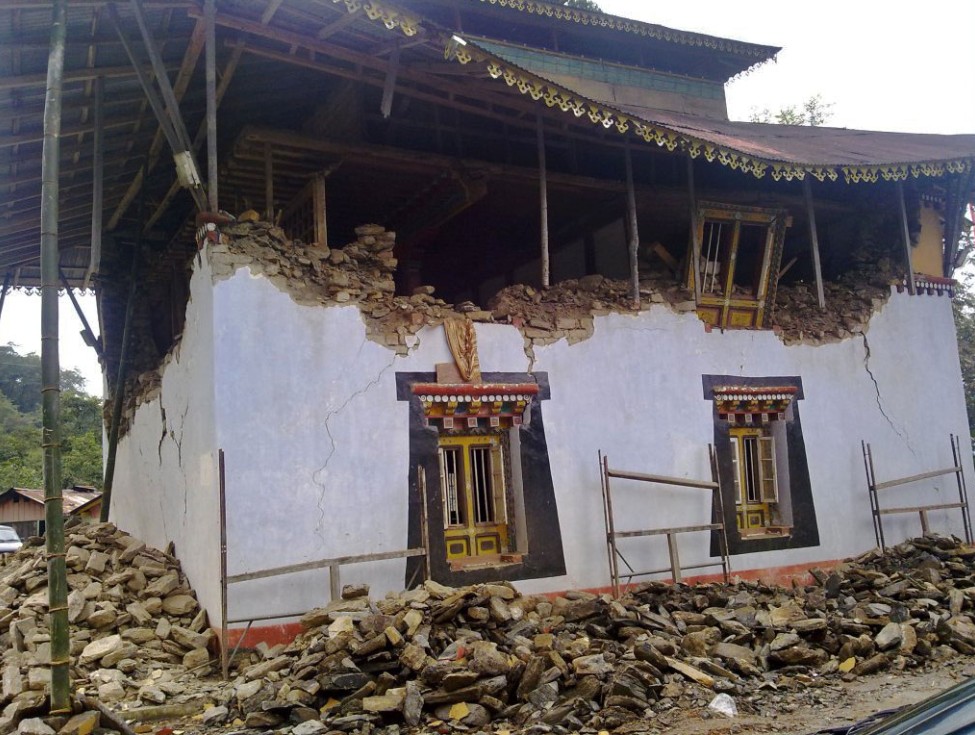
Sikkim is located in the high-risk seismic zone IV of the Indian seismic zoning map. Positioned along the Himalayan range, the region is crossed by two major thrust faults— the Main Boundary Thrust (MBT) and the Main Central Thrust (MCT). The continuous movement of the Indo-Australian plate against the Eurasian plate makes Sikkim moderately active seismically.
Poor design and construction practices contribute heavily to damage during earthquakes. There is scientific consensus that major earthquakes are likely in the future. Therefore, earthquake-resistant construction, trained manpower, awareness programmes, strict enforcement, and community preparedness are essential.
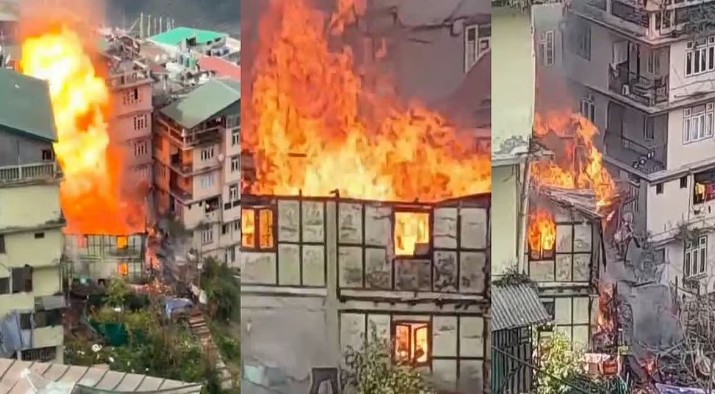
Forest fires are common in Sikkim, particularly during dry months when forests accumulate dry leaves and twigs. Fires occur due to natural causes such as lightning, and human activities like unattended flames, cigarettes, or sparks. Forest fires damage vegetation, wildlife, biodiversity, and ecological balance.
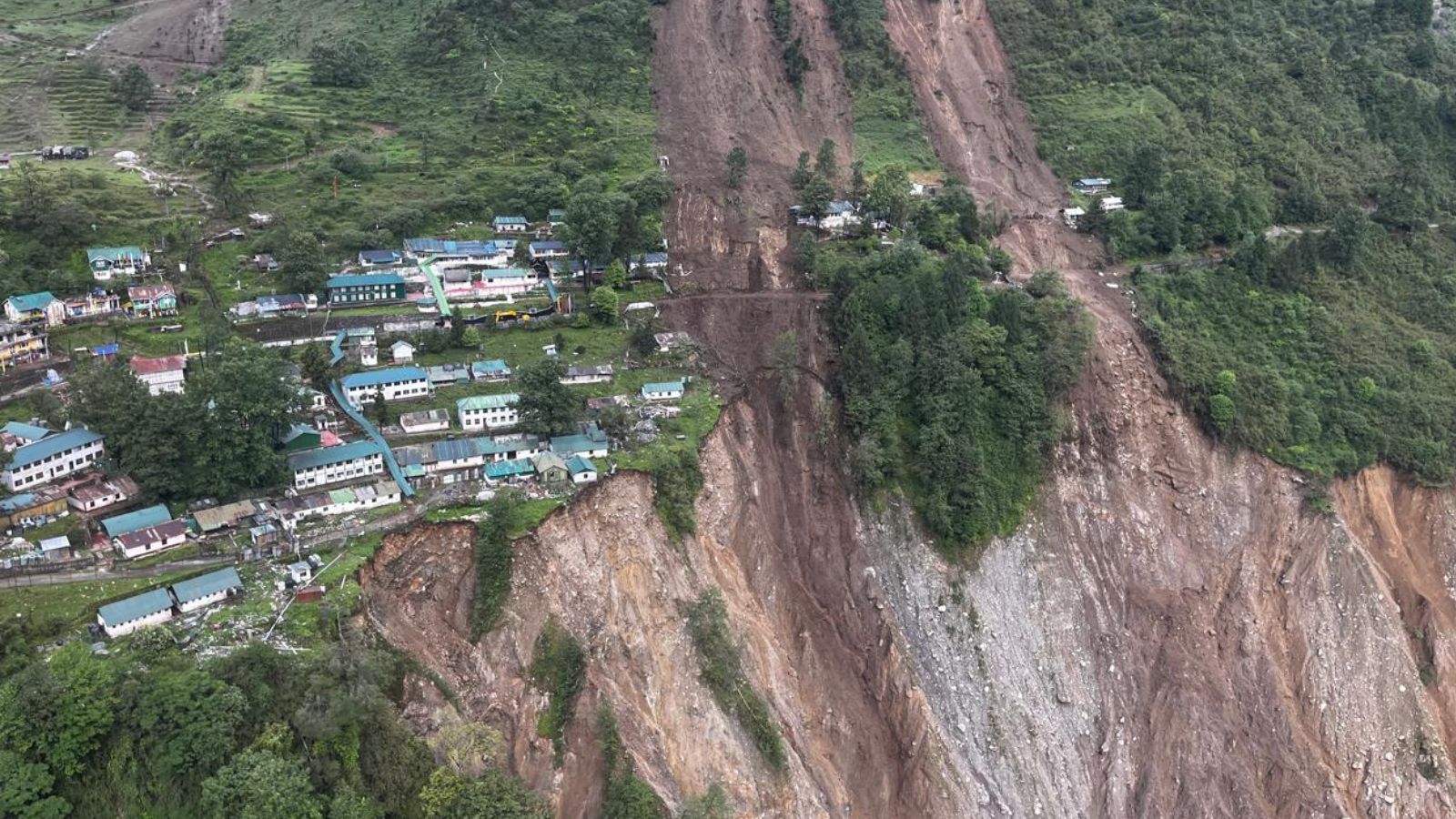
Landslides are frequent in Sikkim due to fragile geology, high rainfall (3500–5000 mm), steep slopes, and unplanned development. Heavy monsoons from April to September increase landslide occurrences, damaging property and blocking key connectivity routes like NH-31A. Road blockages disrupt essential supplies and cause inconvenience and losses every year.
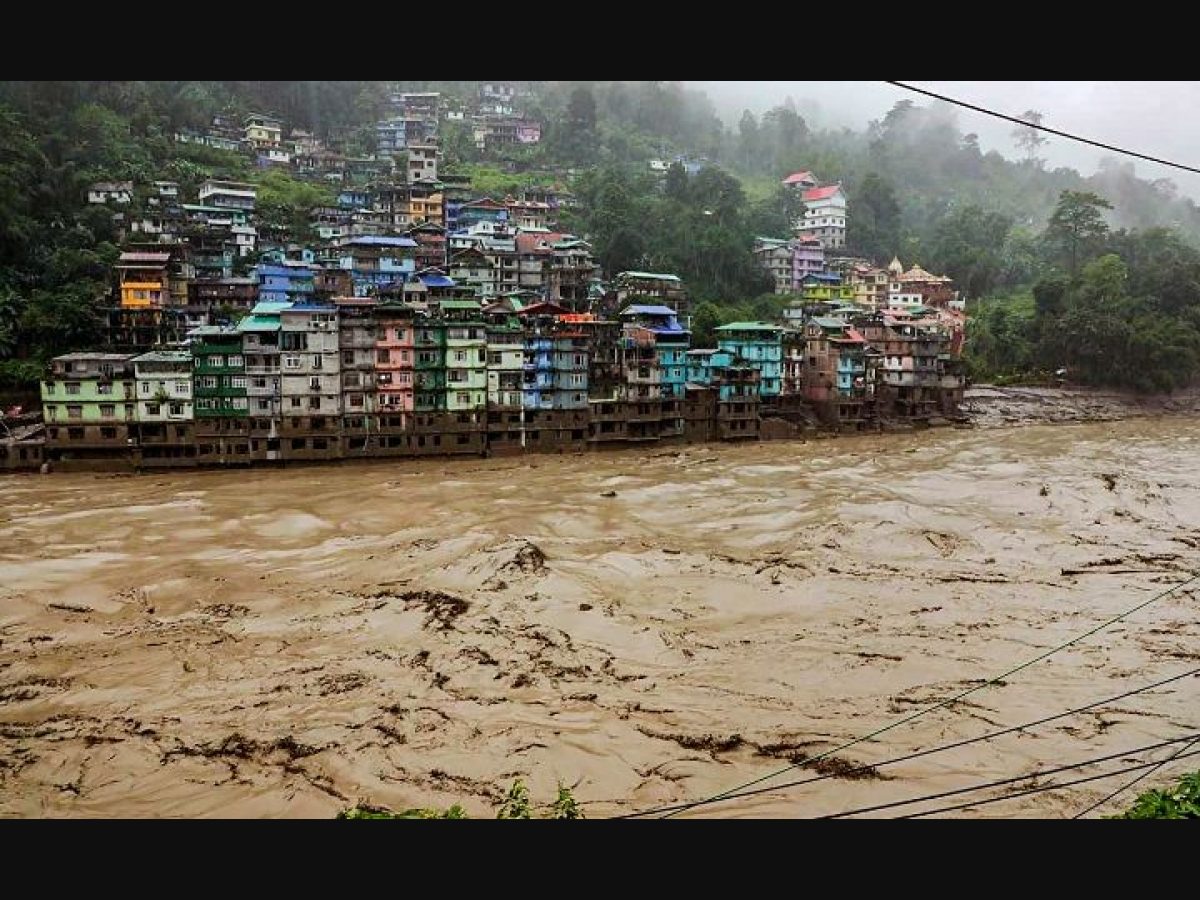
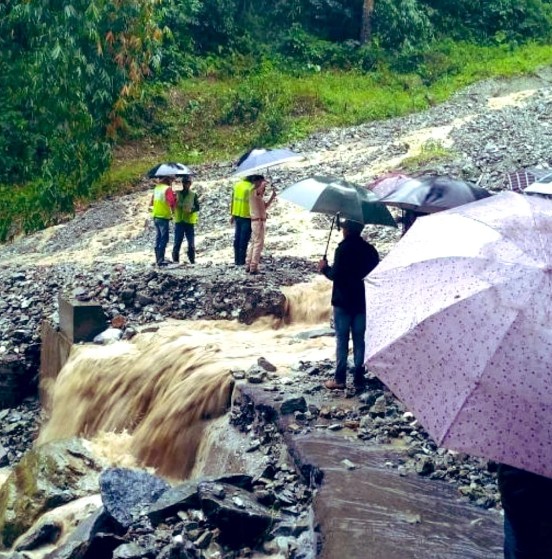
Flash floods occur within 2–6 hours of triggers such as intense rainfall, dam failure, landslides upstream, or rapid snowmelt. They result in sudden high water flows, carrying debris and causing severe damage to homes, roads, and property. Due to Sikkim’s heavy monsoon rain and frequent landslides, flash floods are a common risk.
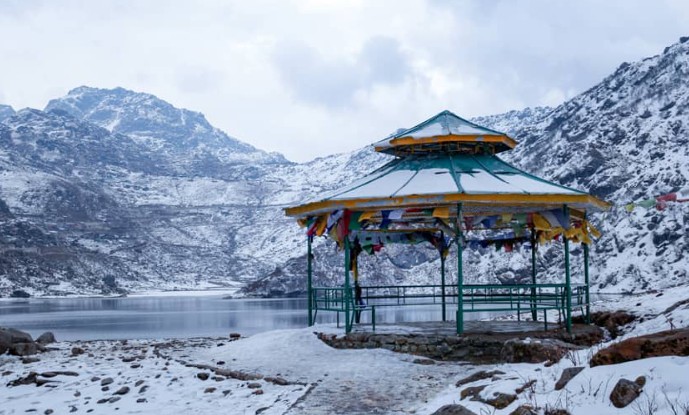
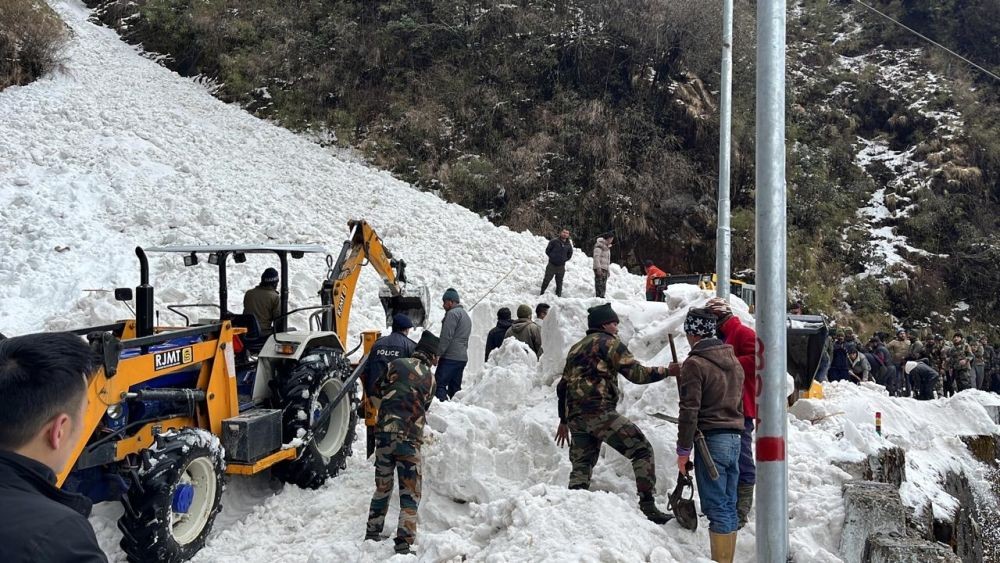
Higher-altitude areas in Sikkim receive heavy snowfall throughout the year, especially from January to March. Avalanches frequently affect army personnel, mountaineers, and tourists in remote regions. Lack of communication and difficult terrain worsen the impact, making proactive hazard management necessary.
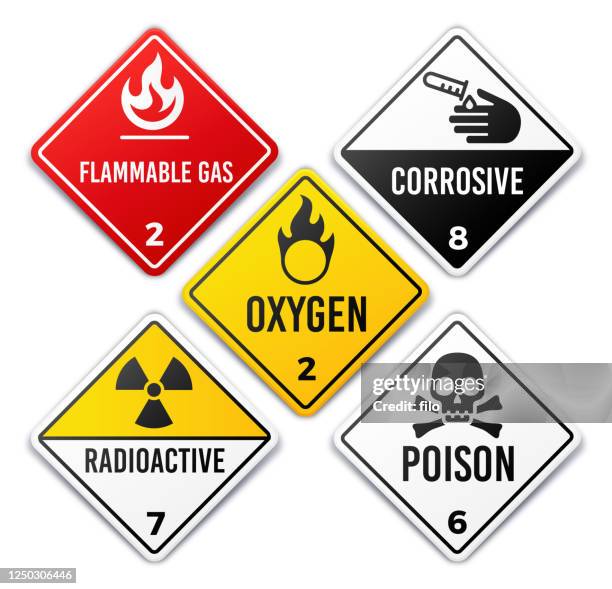
Chemical hazards arise from the handling, transport, and storage of hazardous materials. While Sikkim has limited industrial activity, chemicals are used in laboratories, medical facilities, fuel transport, and various government operations. Accidents may cause harm to people, environment, and water sources, requiring monitoring and safety protocols.